


Floor Refinishing Frequency Guidelines for Homeowners

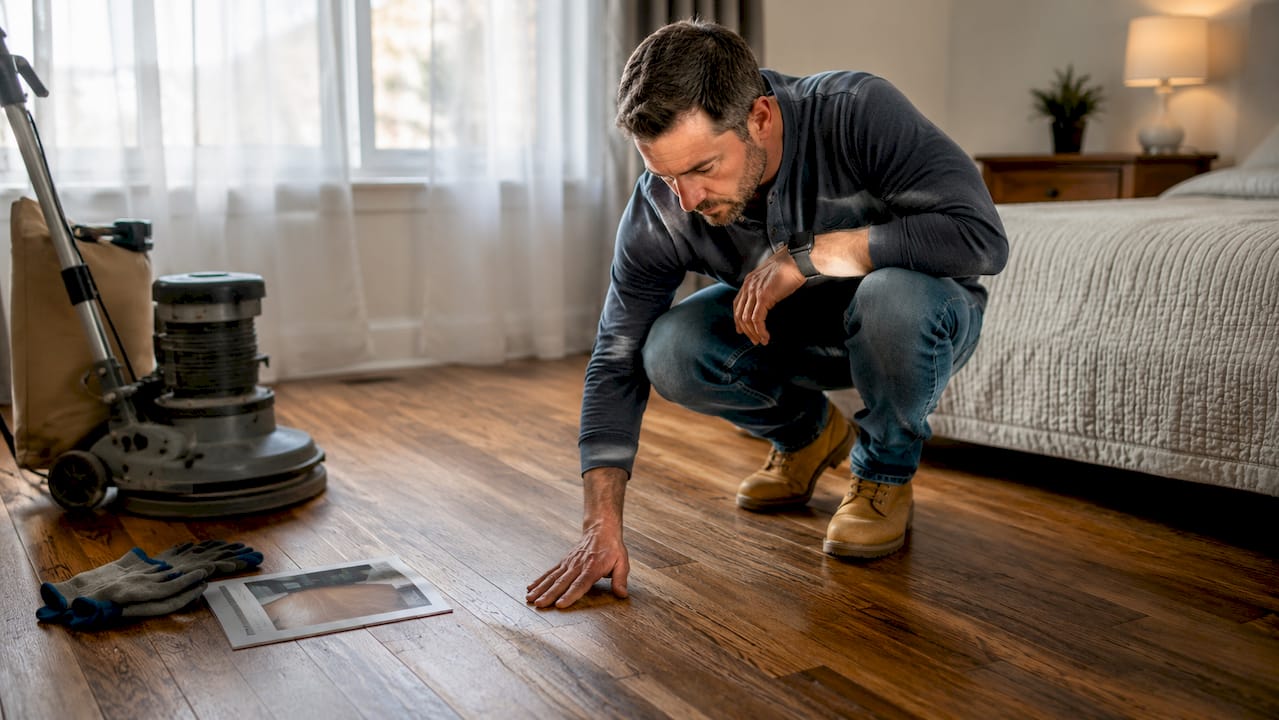
Hardwood floor refinishing frequency guidelines recommend that most floors be refinished every 7–10 years under normal residential use. That window shifts significantly based on foot traffic, wood species, finish type, and how well you maintain the floor between professional services. Refinishing intervals can range from as few as 5 years in high-traffic homes to 15 years in lightly used rooms. This guide breaks down every factor that affects your schedule, explains what warning signs to watch for, and gives you room-by-room advice so you can make smart decisions about your floors.
1. Key variables that affect how often hardwood floors need refinishing
No single refinishing timeline fits every home. The right schedule depends on a combination of factors that interact differently in each household.
Traffic level is the biggest driver. Kitchens, hallways, and family rooms take a beating daily. These zones may need refinishing every 5–7 years. Bedrooms and guest rooms, by contrast, can go 10–15 years between refinishing projects.
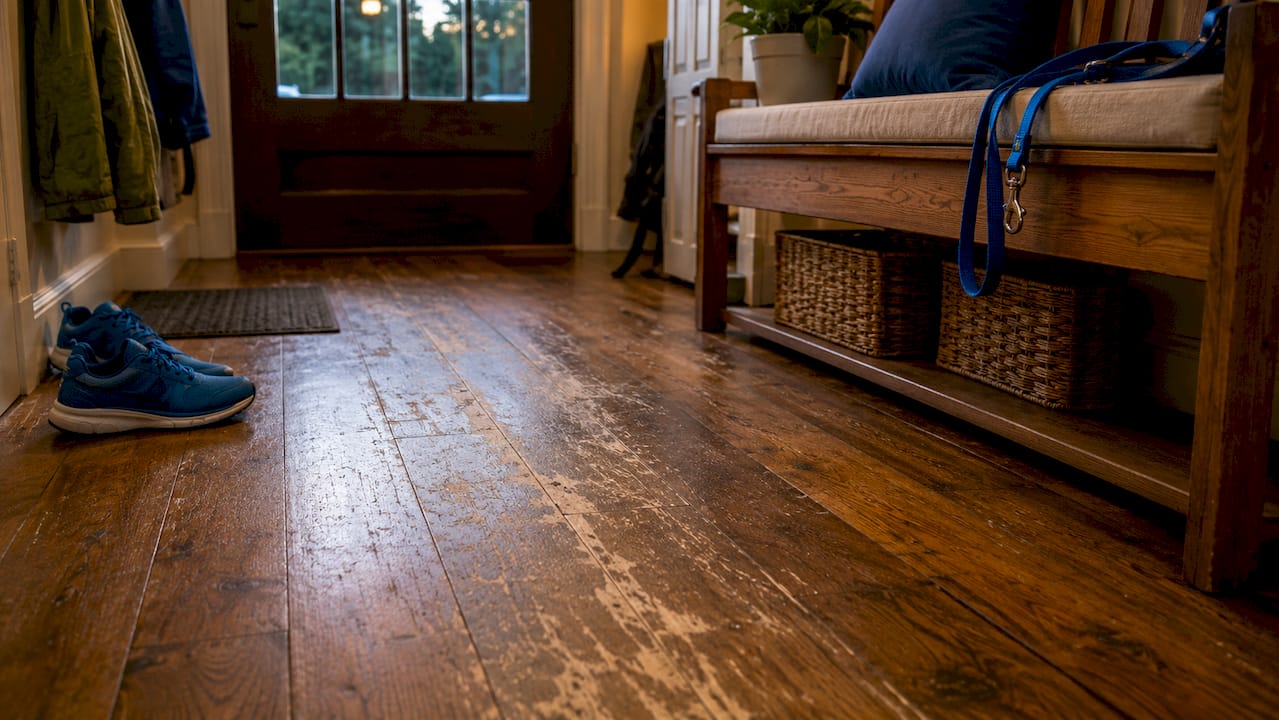
Wood species matters more than most homeowners realize. Harder species like Brazilian cherry, hickory, and white oak resist denting and scratching far better than softer woods like pine or American cherry. A harder floor holds its finish longer, which directly extends your refinishing interval.
Finish type also plays a major role:
Water-based polyurethane dries fast and stays clear but typically wears faster than oil-based options.
Oil-based polyurethane is more durable and amber-toned, lasting longer between recoats.
Hard-wax oil finishes penetrate the wood rather than sitting on top, making spot repairs easy but requiring more frequent maintenance.
Environmental factors compound wear. UV exposure fades and degrades finish faster in sun-facing rooms. Humidity swings cause wood to expand and contract, which stresses the finish over time. Keeping indoor humidity between 35%–55% protects both the wood and the finish.
Pro Tip: Place UV-blocking window film on south-facing windows to slow finish fading and add years to your refinishing schedule.
2. Maintenance practices that extend time between refinishing projects
The single most effective way to delay refinishing is consistent, correct cleaning. Floors that are swept or vacuumed regularly accumulate far less grit, which is the primary cause of surface scratches.
Follow this maintenance routine to protect your finish:
Sweep or dust-mop daily in high-traffic areas. Grit acts like sandpaper underfoot and wears finish down faster than almost anything else.
Vacuum weekly using a hardwood-safe attachment. Avoid beater-bar settings, which scratch the surface.
Damp-mop monthly with a pH-neutral hardwood cleaner. Never use excess water. Steam mops and acidic cleaners like vinegar prematurely degrade floor finish and shorten refinishing intervals.
Schedule professional deep cleaning once or twice per year. Professional cleaning removes buildup that home tools miss and helps you assess finish condition accurately.
Screen and recoat every 3–5 years. This process lightly scuffs the existing finish and applies a fresh topcoat. It is far less invasive than full sanding and extends floor life by years.
Use area rugs and furniture pads. Rugs protect high-traffic paths. Felt pads under furniture legs prevent scratches from chairs and tables being dragged across the floor.
Control indoor humidity year-round. A whole-home humidifier or dehumidifier keeps levels in the 35%–55% range that wood floors need to stay stable.
Pro Tip: Walk your floors once a year in good lighting and look for dull patches, scratches, or areas where water no longer beads. That annual check tells you more about your floor’s condition than any calendar date.
3. Common signs that it’s time to refinish hardwood floors
Your floors will tell you when they need attention. Knowing the difference between a floor that needs a light recoat and one that needs full sanding saves you money and prevents unnecessary work.
Visual signs indicating refinishing need include:
Persistent dullness that does not improve after cleaning. If mopping leaves the floor looking flat and lifeless, the finish is worn through.
Deep scratches exposing raw wood. Surface scratches stay in the finish layer. Scratches that reveal the bare wood grain below mean the protective layer is gone.
Finish peeling or flaking. This is a clear sign the finish has failed and water or dirt is getting underneath.
Water soaking in instead of beading. Drip water on the floor. If it absorbs within a few minutes rather than sitting on top, the finish is no longer protecting the wood.
Gray or white discoloration. Gray areas mean moisture has reached the wood. White staining often signals finish damage from water or cleaning products.
Bare wood patches. High-traffic paths in hallways or in front of kitchen sinks often wear down to raw wood first.
When you see surface scratches and mild dullness, a screen and recoat is usually enough. When you see bare wood, peeling, gray staining, or deep scratches, full sanding and refinishing is the right call. For a detailed breakdown of each warning sign, the Aosaveswoodfloors guide to signs floors need refinishing covers every scenario with photos and explanations.
4. How many times can hardwood floors be refinished, and what does it cost?
The number of times you can refinish a floor depends entirely on the wood type and how much material is left above the tongue-and-groove joint.
Factor | Solid Hardwood | Engineered Hardwood |
Refinishing cycles | 4–10 times | 1–3 times |
Wear layer thickness | 3/4 inch typical | 2–6 mm veneer |
Sanding risk | Low to moderate | High after 1–2 cycles |
Longevity with care | 100+ years | 25–50 years |
Solid hardwood can be refinished up to 10 times depending on wear layer thickness. Engineered hardwood is limited to 1–3 cycles because the veneer layer is thin. Each sanding removes a small amount of wood, so a professional should check the wear layer thickness before any refinishing project. If the wood is too thin, sanding risks exposing the subfloor or the adhesive layer beneath.
Professional refinishing costs $3–$8 per square foot and typically takes 3–7 days including sanding, finishing, and curing time. A 500-square-foot living room runs roughly $1,500–$4,000 depending on condition and finish type. DIY refinishing costs less upfront but requires renting a drum sander, buying finish, and managing dust containment. Mistakes on a drum sander can gouge the floor permanently. For most homeowners, the true cost of DIY vs. professional refinishing tips in favor of hiring a professional when the floor has significant value.
Screening and recoating is the budget-friendly middle ground. It costs a fraction of full refinishing and adds years of life to a floor that still has a solid finish underneath.
5. Situational guidelines: customizing refinishing frequency by room
Applying a single schedule to every room in your home leads to over-refinishing some areas and neglecting others. Room use and environment should drive your floor maintenance schedule.
Heavy-traffic zones (kitchen, hallway, family room): Plan for refinishing every 5–7 years. These areas accumulate the most grit, moisture, and foot traffic. Screen and recoat at the 3-year mark to extend the interval.
Normal-traffic zones (living room, dining room): A 7–10 year refinishing cycle works well here. Annual inspections keep you ahead of any accelerated wear.
Light-traffic zones (bedrooms, home office): These rooms can often go 10–15 years between full refinishing projects. A single screen and recoat may be all they need in that span.
Sun-exposed rooms: Rooms with direct sunlight often require refinishing 2–3 years earlier than shaded rooms. UV rays accelerate finish fading and degradation. Window treatments or UV film slow this process considerably.
Homes with pets or young children: Claws and toys create surface scratches faster than foot traffic alone. Plan to screen and recoat every 2–3 years and inspect annually for deeper damage.
The most useful floor care frequency guideline is this: let the floor’s condition set the schedule, not the calendar. Annual inspections help homeowners judge refinishing need more accurately than relying on a fixed number of years.
Key takeaways
Hardwood floor refinishing frequency depends on traffic, wood type, finish quality, and maintenance routine rather than a fixed calendar date.
Point | Details |
Standard refinishing interval | Most hardwood floors need refinishing every 7–10 years under normal household use. |
Screen and recoat first | Refreshing the finish every 3–5 years delays full sanding and saves significant money. |
Know your wood type | Solid hardwood handles 4–10 refinishing cycles; engineered hardwood is limited to 1–3. |
Watch for warning signs | Bare wood, peeling finish, and water absorption mean full refinishing is needed now. |
Inspect annually | A yearly walk-through in good lighting tells you more than any fixed schedule. |
What 20 years of floors taught me about refinishing schedules
Rigid schedules are the most common mistake I see homeowners make with their floors. A family with two dogs and three kids in a kitchen with oak floors should not be on the same 10-year plan as a retired couple with a carpeted bedroom hallway.
The floors I have seen last the longest are the ones that get attention based on condition, not the calendar. Annual inspections catch problems early, when a screen and recoat still solves everything. Waiting for the floor to look terrible before acting almost always means full sanding, which costs more and removes more wood.
One thing that surprises homeowners is how much regional climate affects their floors. Here in central Illinois and the St. Louis metro area, we deal with humid summers and dry winters. That humidity swing stresses finish more than foot traffic does in many homes. Controlling indoor humidity is not optional here. It is the single cheapest thing you can do to extend your refinishing interval.
My honest advice: skip the “refinish every X years” rule. Walk your floors once a year, do the water bead test, and look at the finish in direct light. Your floors will tell you what they need. Listen to them.
— Jim
Aosaveswoodfloors: professional floor care for central Illinois and St. Louis
Aosaveswoodfloors has been restoring hardwood floors across St. Louis, Monroe, and Madison Counties since 2003, with over 450 Google reviews backing their work. Whether your floors need a quick screen and recoat or a full sand and refinish, their team handles every service level with dustless equipment and eco-friendly products.

Most restoration services finish in a single day, with floors ready to walk on in about three hours. Aosaveswoodfloors also offers professional countertop cleaning and sealing alongside their floor services, making them a one-stop shop for home surface care. If you have been thinking about replacing your floors, call them first. Before you refloor it, let them restore it.
FAQ
How often should hardwood floors be refinished?
Most hardwood floors benefit from refinishing every 7–10 years under normal residential use, though refinishing intervals vary from 5–15 years based on traffic, wood species, and maintenance habits.
What is the difference between screen and recoat vs. full refinishing?
Screen and recoat lightly scuffs the existing finish and adds a fresh topcoat. Full refinishing involves sanding down to bare wood and is needed when the finish has failed or deep scratches reach the raw wood.
How many times can you refinish hardwood floors?
Solid hardwood can typically be refinished 4–10 times depending on wear layer thickness. Engineered hardwood is limited to 1–3 refinishing cycles because its veneer layer is much thinner.
What cleaning mistakes shorten refinishing intervals?
Using steam mops, excess water, or acidic cleaners like vinegar degrades floor finish prematurely and forces earlier refinishing. Stick to a pH-neutral hardwood cleaner and a damp, well-wrung mop.
How do I know if my floor needs refinishing or just cleaning?
Drop water on the floor. If it beads up, the finish is intact. If it absorbs within a few minutes, the finish is worn and refinishing is likely needed. Persistent dullness after cleaning and visible bare wood patches are also reliable indicators.
Recommended

Comments